


 (703) 426-4000
What Happens to Your Roof During a Typical Winter in Frederick
If you’ve lived in Frederick through even a few winters, you know how it goes. Mornings start icy, afternoons warm up just enough to melt the snow, and by sundown everything freezes again. This back-and-forth isn’t just frustrating for your commute—it’s also rough on your roof.
Over time, these daily shifts in temperature cause moisture to sneak into small cracks or gaps in your roof. When that moisture freezes, it expands. As it melts and refreezes again and again, it starts to break things apart—shingles, flashing, even parts of the roof decking. This is what we’re talking about when we refer to damage from freeze and thaw cycles.
It doesn’t happen overnight, and you might not notice anything right away. But if you’re seeing early signs like small leaks after a snowfall, shingles starting to curl or lift, or dark streaks near the gutters, your roof might already be feeling the effects of long-term winter wear and tear.
Here’s what we’ll walk through in this post:
- Why these freeze-thaw conditions cause problems for homes in the Frederick area
- What to look for before the damage gets worse
- What materials hold up best in this kind of climate
- What you need to know before making any decisions about repairs or replacement
- How AWS Restorations approaches this type of damage after 31 years in the business
Want a professional set of eyes on your roof? Schedule a free inspection here.
Why Freeze–Thaw Conditions Matter More in This Region
Understanding the Freeze–Thaw Cycle
Any time melted snow or rainwater works its way into the small cracks or edges of your roof, and then freezes again overnight, you’re looking at potential damage. Frozen water expands. That expansion starts to push roofing materials apart, especially if your roof is older or hasn’t been maintained recently.
In Frederick and across Northern Virginia, this cycle repeats itself constantly from late November through early spring. Roofs here face repeated cycles of warming and freezing—sometimes in the same day.
This isn’t just a climate quirk. It has real effects on your roofing system, especially if your home lacks proper ventilation or insulation. Those conditions can also lead to ice dams or uneven melting, both of which make the situation worse.
Why Roofing Materials Move With Temperature
Every roofing material—shingles, nails, metal flashing, even the wood underneath—expands a little when it warms up and contracts when it cools down. That movement adds stress over time, especially at seams, joints, and edges. We call this thermal movement, but most homeowners just notice it as cracked caulk lines, loose shingles, or leaks that come and go.
That’s why we pay close attention to how your roof has been installed, not just how it looks from the ground.
What to Consider Before Making a Repair or Replacement
Understand What You’re Working With
Before you invest time or money into roof repairs, it’s helpful to have a full picture of your roof’s condition. We always recommend starting with a full exterior inspection, which we provide at no cost. This gives you a clearer idea of whether the issues are surface-level or signs of something more significant beneath the shingles.
Know What Materials Hold Up Best
Not all shingles are created equal. Older 3-tab shingles, for example, are much more likely to crack under thermal stress. That’s why we use GAF architectural shingles on every job—thicker, more flexible, and more resistant to the kind of expansion and contraction that happens during Frederick’s winter season.
In fact, every AWS Restorations roofing job includes a free upgrade to architectural shingles, because it’s the right choice for our climate.
We also install proper underlayment and ventilation, both of which play a huge role in preventing winter roof deterioration over time.
Budget and Next Steps
If you’re worried about the cost, we understand. In some cases, freeze-related damage may be covered by your homeowner’s insurance—especially if the issues stem from a recent storm or water intrusion. We’ve helped many of our customers navigate the claims process. And in some situations, we do offer “no payment until the roof is done” arrangements, based on approval.
Permits are required in Frederick for full roof replacements. We handle that part for you.
What Freeze–Thaw Roof Damage Looks Like (And How to Spot It)
Cracked or Curled Shingles
As water freezes inside small cracks in your shingles, it expands. That pressure can cause shingles to crack or start curling up at the edges. These changes aren’t always obvious from the ground, but they’ll get worse as the weather cycles continue.
Loose Flashing Around Chimneys or Vents
Metal flashing expands and contracts at a different rate than asphalt shingles. Over time, this can pull it away from the roof or leave small gaps where water gets in. We see this a lot during inspections in early spring.
Ice Dams and Moisture at the Roof Edge
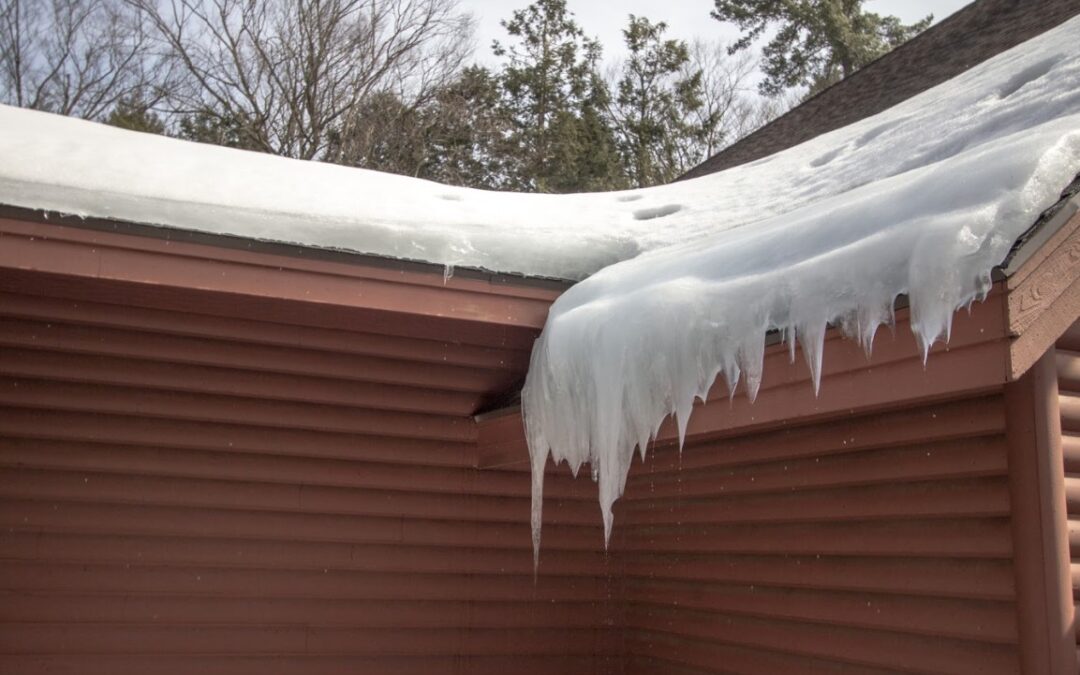
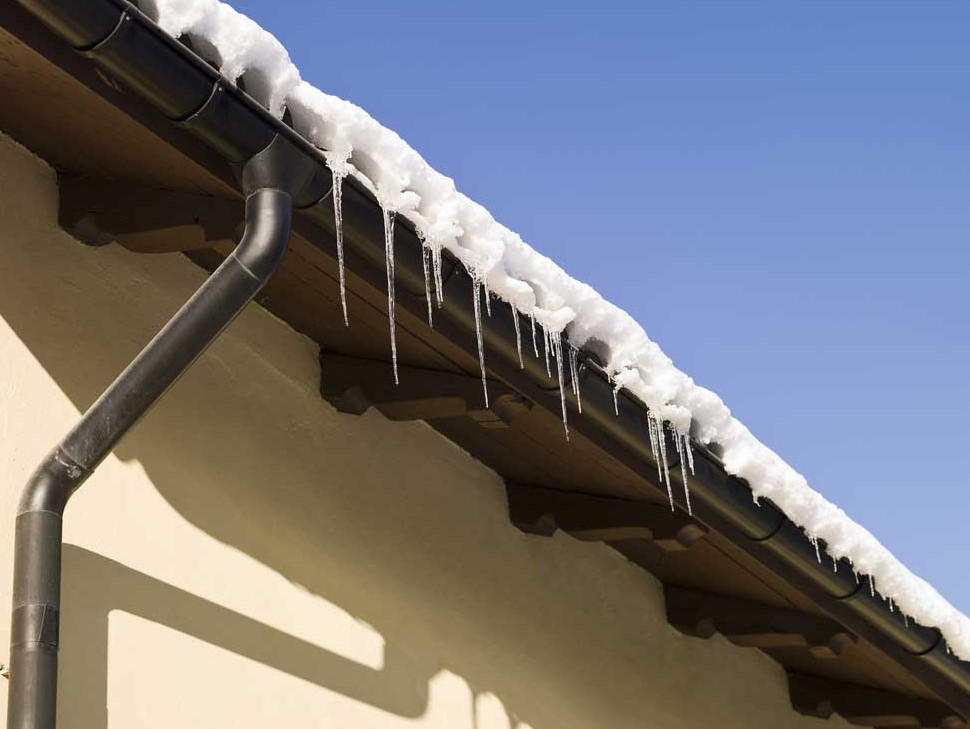
Poor ventilation can lead to uneven melting on your roof. That water flows down, hits the cold edge of the roof, and refreezes. These ice dams force water back up under the shingles, causing leaks and mold in the attic or along walls.
Granules in the Gutter
When shingles start to degrade, they shed granules—the small, sand-like particles that protect the surface. If you notice granules in your gutters, it could mean your shingles are breaking down under the stress of winter.
What Materials Work Best in a Freeze–Thaw Climate Like Ours
We’ve been roofing in Frederick for over 30 years, and we’ve learned what holds up in this climate—and what doesn’t.
| Material | Why It Works | What to Watch |
| Architectural Asphalt Shingles | Handles daily temperature shifts. Comes with a 50-year warranty from GAF. | Needs proper installation and attic ventilation |
| Cedar Shakes | Naturally insulates. More flexible than asphalt in cold weather. | Higher upkeep. Not ideal if maintenance is an issue |
| Flat Roofs | Only if properly sloped and insulated | Prone to pooling water that can freeze and crack the membrane |
We only recommend materials we’d use on our own homes. And because we’re GAF Certified, you get better warranty protection when we install your roof.
Common Roofing Questions for Frederick Homeowners Dealing with Freeze–Thaw Damage
If you’re a homeowner in Frederick or the surrounding Northern Virginia area, winter weather can raise a lot of questions about your roof’s condition. Below are some of the most common concerns we hear from customers during and after the colder months.
What are early signs of winter roof problems?
Early signs of winter roof problems often include cracked or curling shingles, leaks after snowmelt, and shingle granules showing up in your gutters. These issues point to seasonal wear and are typically caused by repeated freeze–thaw cycles that weaken roofing materials over time.
Can insurance cover damage from freezing and thawing?
Yes, insurance can sometimes cover damage caused by freeze–thaw conditions, especially if it results in sudden water intrusion or structural issues. We always recommend documenting visible signs and contacting a contractor familiar with the insurance process, like AWS Restorations, before filing a claim.
Do I need to replace my whole roof if I have freeze–thaw damage?
You don’t always need to replace your entire roof if the freeze–thaw damage is limited. In many cases, targeted repairs can resolve the issue if the rest of your roofing system is still in good shape. A proper inspection will help you make that call without overspending.
How do I prevent ice dams from forming on my roof?
To prevent ice dams, you need proper attic insulation and ventilation to keep roof temperatures even. When heat escapes through the roof, it melts snow unevenly, leading to refreezing at the edges. We check this during every inspection and recommend upgrades only when they’re truly necessary.
What’s the typical lifespan of a roof in Frederick’s climate?
A typical roof in Frederick can last between 25 and 50 years, depending on the materials used, how it was installed, and how well it’s maintained. Architectural shingles and proper attic ventilation can make a big difference in how long your roof holds up through winter conditions.
How quickly can I schedule a roof inspection?
You can usually schedule a roof inspection with AWS Restorations within 24 hours. We understand that roofing concerns during the winter don’t wait, which is why we respond quickly and never charge for inspections.
What We’ve Learned After 30 Winters on Local Roofs
Roofing issues in the winter often start small. But freeze and thaw cycles create the kind of slow, steady wear that can lead to serious problems down the road.
At AWS Restorations, we’ve been working on homes in this region for over three decades. We’ve earned the Angie’s List Super Service Award, maintained an A+ rating with the BBB, and built a reputation for being honest, responsive, and thorough.
We don’t push full replacements unless they’re really needed. We don’t mark things up to make a sale. And we don’t cut corners when it comes to your home’s protection.
Schedule a free inspection today, and we’ll help you figure out what your roof really needs this winter.