


 (703) 426-4000
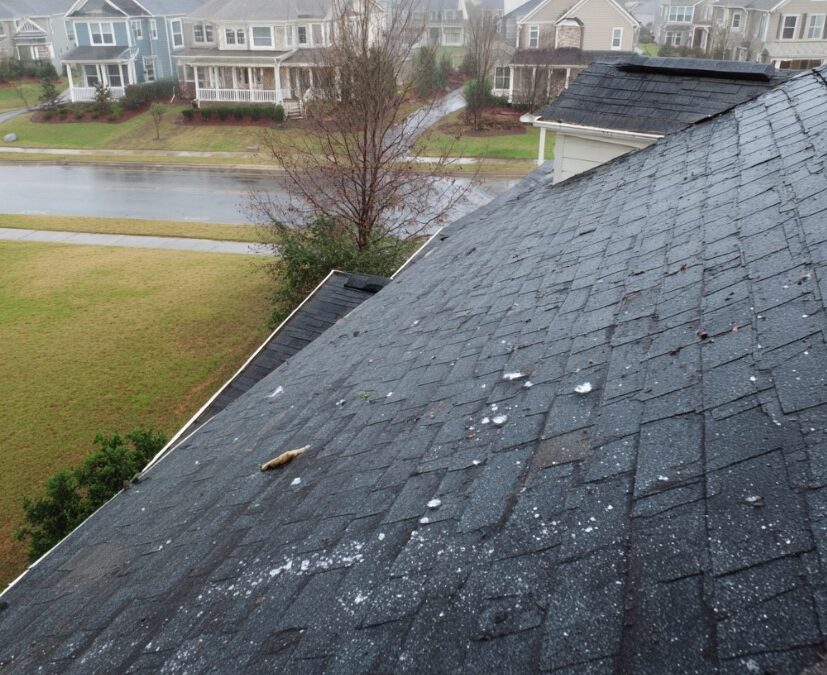
If your ceiling is dry after a hailstorm, it’s easy to assume your roof is fine. Sometimes it is. But hail damage to a roof often starts at the surface, long before water reaches the inside of the home. Shingles can lose granules, develop bruised areas, or weaken around impact points while the roof still looks normal from the ground. Local storms often bring hail, wind, and heavy rain together, which can make roof damage harder to judge without a closer look.
A storm-damage roof inspection helps determine whether your roof is still performing properly or if hidden damage needs attention before it becomes a leak.
In this guide, we’ll explain:
- What hail can do to shingles and roof components.
- Why leaks may not appear right away.
- How hail damage differs from roof blisters.
- What homeowners can safely check after a storm.
- When to schedule a professional roof inspection.
If your home was recently hit by hail, AWS Restorations can help with a free, no-pressure inspection and clear guidance on the right next step.
Why Hail Damage Does Not Always Cause a Leak Right Away
A roof is built in layers. Shingles, underlayment, decking, flashing, vents, and gutters all work together to protect the home. When hail hits, it may damage the outer layer first, allowing water to flow through the system only gradually.
That is why a dry ceiling does not always mean there is no damage. Hail can loosen granules, bruise the shingle mat, dent flashing, damage vents, or worsen weak spots that were already aging.
The problem often shows up later. A bruised shingle may hold for weeks or months before breaking down. A dented vent or weakened flashing area may not leak until wind-driven rain pushes water into the opening.
No leak does not automatically mean your roof needs to be replaced. It also does not automatically mean everything is fine. An inspection helps determine what actually happened.
What Hail Impact Does to Asphalt Shingles
Asphalt shingles rely on protective granules to shield the roof from sun, rain, heat, and daily weather exposure. When hail hits, it can knock granules loose, push them into the shingle surface, or bruise the material underneath.
Impact damage to shingles is not always easy to spot from the ground. Sometimes it appears as dark marks, missing granules, soft spots, or circular bruising. Other times, the roof may need a closer inspection to confirm whether the marks are storm-related or part of normal aging.
Hail damage to roof shingles may include:
- Granule loss around impact points.
- Bruising in the shingle mat.
- Small cracks or weakened areas.
- Dark spots on the roof surface.
- Damage that appears worse on one slope.
Once granules are gone, shingles have less protection from UV exposure and weather. That can cause affected areas to age faster than the rest of the roof.
Common Signs of Hail Damage on a Roof
Hail damage can look different depending on the size of the hail, roof age, shingle type, and direction of the storm. Some signs show up on the roof. Others appear around the exterior of the home.
After a hailstorm, look for:
- Dark spots on shingles.
- Missing granules.
- Cracked shingles.
- Dented gutters or downspouts.
- Dented flashing or roof vents.
- Granules collecting near the downspout exits.
- Marks on siding, trim, or outdoor surfaces.
- Water stains after later rain.
Not every mark is hail damage. Age, blistering, foot traffic, heat exposure, and normal shingle wear can look similar from a distance. That’s one reason a professional inspection matters. The goal is to separate true storm damage from older roof conditions or ordinary wear.
Roof Blisters vs. Hail Damage
Some shingle marks are easy to misread. Roof blisters and hail damage can both leave visible marks, but they usually happen for different reasons.
Roof Blisters
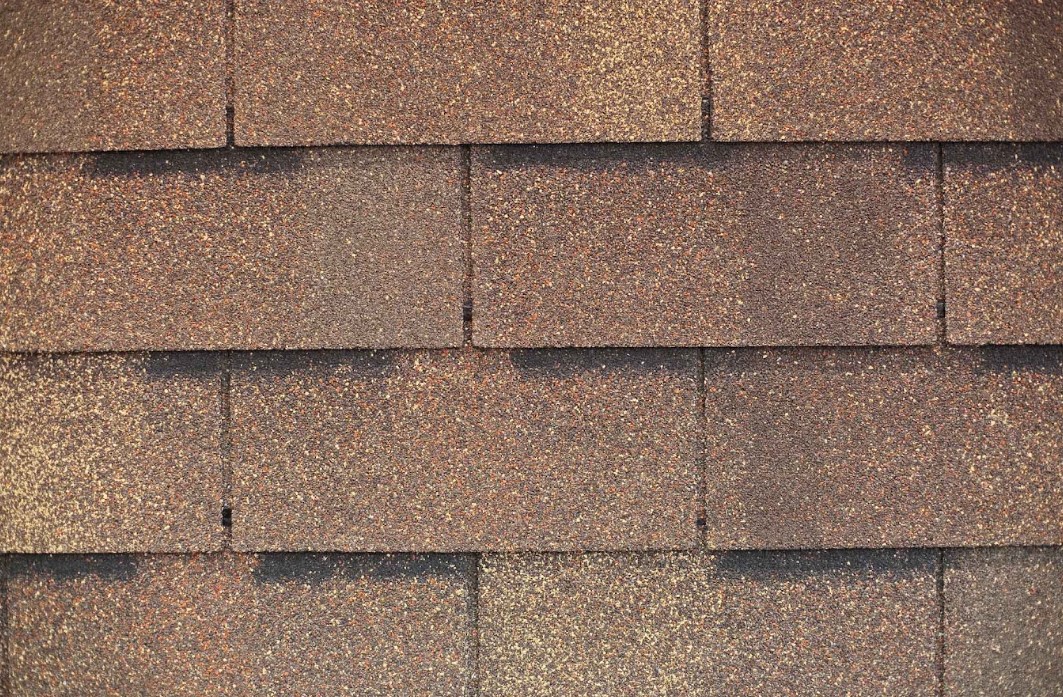
Roof blisters are usually related to age, heat, ventilation, moisture, or shingle condition. They may look like raised, bubbled, or popped areas on the shingle surface. When a blister opens, it can expose the darker layer below and look similar to granule loss.
Blisters usually develop over time. A single storm impact does not typically cause them.
Hail Damage
Hail damage is usually tied to impact. It may appear as bruising, circular marks, granule loss, cracks, or soft areas in the shingle mat. Nearby metal components, such as gutters, downspouts, vents, and flashing, may also show dents from the same storm.
AWS Restorations can help determine whether your roof shows hail damage, age-related wear, installation concerns, or a combination of issues.
How Hail Damage Can Shorten a Roof’s Life
Hail damage does not always create an immediate leak, but it can weaken the roof over time. Once the surface of a shingle is damaged, that area may break down faster than the rest of the roof.
Granule loss exposes shingles to more sunlight and weather. Bruised areas can become brittle. Small cracks can widen. Damaged vents, flashing, and roof edges may become future leak points.
This matters most when the roof is already older or showing signs of wear. A newer roof with isolated damage may need repair. An older roof with widespread impact damage may need replacement planning. The right answer depends on the roof’s age, material, condition, and the extent of the damage.
AWS Restorations focuses on honest inspections. If a repair makes sense, we’ll let you know. If replacement is the better long-term option, we’ll explain why.
Why the Whole Exterior Matters During a Hail Inspection
Hail not only hits the roof. It can leave clues across the home’s exterior, which can help show the direction and severity of the storm.
Dented gutters may point to a strong impact. Granules in gutters can suggest shingle wear or storm damage. Siding, window screens, trim, and doors may also show marks from hail. Looking at the full exterior gives a clearer picture than checking shingles alone.
AWS Restorations handles roofing, gutters, siding, windows, doors, and insurance-related restoration. When needed, our inspection can look beyond the roof to help homeowners understand the full condition of the property after a storm.
Hail Roof Damage Inspections in Northern Virginia and Maryland
In this region, hail damage is not always obvious from the driveway. Roof pitch, tree cover, nearby buildings, and storm direction can all affect what a homeowner can see.
Dense neighborhoods can limit visibility. Trees can hide damaged slopes. Townhomes and multi-level homes may have roof sections that are difficult to view safely. Hail may also affect one slope more than another, especially when wind is involved.
Local storms often bring more than hail. Wind and heavy rain can lift shingles, stress flashing, clog gutters, and worsen existing weak spots. A closer inspection helps identify which issues are storm-related and which may be normal roof aging.
What Homeowners Can Check Safely
You do not need to climb onto the roof to look for possible hail damage. In fact, you should not climb onto the roof after a storm. Roofing surfaces can be slick, damaged, or unsafe, and impact marks can be difficult to read without proper training.
From the ground, you can look for:
- Granules near the downspout exits.
- Dents on gutters or downspouts.
- Marks on siding, trim, or window screens.
- Debris on the roof.
- Missing or cracked shingles.
- New stains after later rain.
- Neighbors are scheduling roof inspections after the same storm.
These signs do not prove that your roof needs to be replaced. They suggest an inspection may be worthwhile, especially if hail hit your property directly or if nearby homes have confirmed storm damage.
When to Schedule a Storm Damage Roof Inspection
The best time to schedule a storm-damage roof inspection is before a minor issue becomes an interior leak. Hail damage can gradually weaken roofing materials, so waiting for water stains may give the damage time to spread.
Schedule an inspection if:
- Hail hit your property.
- Gutters or downspouts are dented.
- Granules are collecting near downspouts.
- Shingles look dark, cracked, or bruised.
- New stains appear after later rain.
- Wind came with the hail.
- The roof is older or already showing wear.
- Nearby homes had confirmed hail damage.
AWS Restorations provides free inspections and honest guidance for homeowners throughout the local service area. Depending on what we find, the right answer may be roof repair, continued monitoring, insurance-related restoration, or roof replacement.
Call AWS Restorations at 703-426-4000 to schedule a free roof inspection.
Frequently Asked Questions About Hail Damage to a Roof
Hail damage can be confusing because the signs are not always obvious, and a leak may not show up right away. These answers can help homeowners understand what to watch for after a storm and when to schedule an inspection.
Can hail damage a roof without causing a leak?
Yes. Hail can damage a roof without causing a leak right away. It can remove granules, bruise shingles, crack roofing materials, or damage flashing before water reaches the inside of the home.
What does hail damage look like on shingles?
Hail damage on shingles may look like dark spots, missing granules, bruised areas, cracks, or soft spots. Dents in gutters, vents, downspouts, or flashing can also indicate storm impact.
How soon should I inspect my roof after a hailstorm?
You should inspect your roof soon after a hailstorm if you see dents, granule loss, damaged shingles, or water stains after later rain. A prompt inspection can help identify damage before it worsens.
What is the difference between roof blisters and hail damage?
Roof blisters are often related to heat, age, ventilation, or shingle conditions. Hail damage is usually tied to impact marks, bruising, granule loss, and dents on nearby metal components.
Does hail damage mean I need a new roof?
Hail damage does not always mean you need a new roof. Some damage may be repairable. The right answer depends on the roof’s age, material, condition, and the extent of the impact damage.
Can AWS Restorations help with insurance-related storm restoration?
Yes. AWS Restorations can help with insurance-related storm restoration. Our team can inspect the roof and exterior, document visible damage, and help homeowners understand the next steps.
Not Sure Whether Hail Damaged Your Roof?
Hail damage can weaken a roof before a leak shows up inside the home. If you noticed granules near your downspouts, dents in the gutters, dark spots on shingles, or other signs of impact around the exterior, a roof inspection can help you understand what happened.
AWS Restorations provides free inspections, roof repairs, roof replacement, gutters, siding, windows, doors, and insurance-related restoration for homeowners in Chantilly, Fairfax County, Alexandria, Washington, DC, and nearby communities.
Call AWS Restorations at 703-426-4000 to schedule a free roof inspection.