


 (703) 426-4000
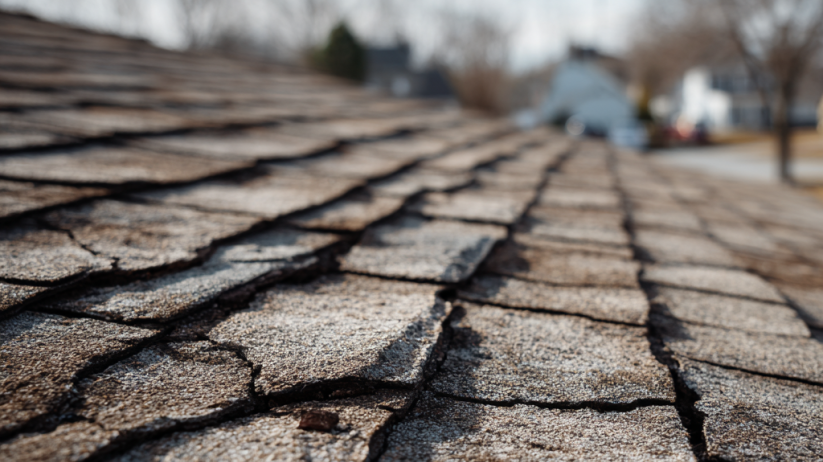
During a long Northern Virginia summer, a roof absorbs an enormous amount of stress every day. Hours of direct sunlight, high humidity, trapped attic heat, and repeated temperature swings slowly wear roofing materials down over time, even when there are no visible leaks or missing shingles. Most homeowners think of roof damage as something sudden, like hail or fallen tree limbs, but many roofing problems develop gradually through years of sun exposure and heat buildup.
That process is easy to miss at first. Shingles may begin losing granules years before water intrusion appears inside the home. Flashing can weaken slowly as roofing materials expand and contract through repeated heat cycles. Attics with poor ventilation can trap excessive heat beneath the roof deck, accelerating roof aging from below while UV rays wear materials down from above.
In Northern Virginia, this combination of heat, humidity, hail, and seasonal weather swings creates steady stress on roofing systems. Over time, prolonged sun exposure and excessive attic heat can shorten roof lifespan, weaken storm resistance, increase cooling costs, and create repair issues that could have been addressed earlier through routine inspections.
After particularly hot summers, many homeowners begin noticing roof heat damage signs that were not obvious earlier in the year. Fading shingles, granule buildup in gutters, curling edges, and rising attic temperatures are often early indicators that a roof is beginning to deteriorate from long-term heat exposure.
Understanding how heat and UV rays damage roofs over time helps homeowners make informed decisions about maintenance, ventilation, repairs, and long-term replacement planning before problems become significantly more expensive.
In this guide, we’ll explain:
- What prolonged sun exposure actually does to roofing materials
- Why excessive heat accelerates asphalt shingle aging
- Signs your roof may be wearing out faster than expected
- How ventilation impacts roof lifespan
- When a roof inspection makes sense after extreme heat
- Which roofing materials hold up better over time
If your roof has been through several Northern Virginia summers and recent hail or wind storms, an honest inspection can help you understand what’s normal aging and what may need attention. AWS Restorations can help with a straightforward, no-pressure inspection.
What Sun Exposure Actually Does to Roofing Materials
Every roof is built to handle weather exposure, but no roofing system is immune to years of heat and ultraviolet radiation. Over time, prolonged sunlight changes the physical structure of roofing materials, especially asphalt shingles, which remain one of the most common residential roofing systems throughout Northern Virginia.
UV rays gradually break down the oils and compounds that help shingles remain flexible and water-resistant. As those materials dry out, shingles become brittle and less able to expand and contract naturally during temperature changes. This repeated thermal expansion and contraction slowly weakens roofing systems over time.
Heat adds another layer of stress. During the summer, attic temperatures can exceed 130 degrees, especially in homes with poor ventilation. Excessive heat beneath the roof deck accelerates wear from below while UV exposure damages the surface from above. Over time, this combination weakens shingles, flashing, adhesives, and other roofing components.
Roof aging rarely causes immediate failure. Instead, deterioration develops gradually over many seasons. Many homeowners first notice subtle warning signs like fading shingles, granule buildup near gutters, or slight curling along roof edges. These early changes often indicate the roof has already been exposed to years of heat-related stress.
Why Asphalt Shingles Wear Out Faster in High Heat
Protective Granules Gradually Wear Away Under Constant UV Exposure
Asphalt shingles rely on protective granules to shield the roof from sunlight and moisture. Those granules serve as the roof’s first layer of defense against UV radiation and heat.
As shingles age, UV rays slowly weaken the granule surface. Once granules begin shedding, shingles absorb more heat and deteriorate faster. This is one reason older roofs often decline more rapidly during the later stages of their lifespan.
Roof granule loss from sun exposure often appears as:
- Granules collecting in gutters
- Uneven roof coloration
- Bald spots on shingles
- Surface cracking
- Fading on heavily sun-exposed roof slopes
South-facing roof sections usually show faster wear because they receive the most direct sunlight throughout the day.
Brittle Shingles Become More Vulnerable During Storms
As shingles continue drying out, they lose flexibility and become more susceptible to hail and wind damage. A roof that handled storms well years earlier may suddenly begin developing lifted shingles, cracks, or leaks once prolonged heat exposure weakens the material structure.
This is one reason asphalt shingle lifespan can vary significantly from one home to another. Ventilation quality, attic temperatures, storm exposure, and prolonged sun exposure all influence how quickly shingles age over time.
Signs Your Roof May Be Aging Faster Than Expected
Roof aging is not always obvious from the ground, but there are several warning signs homeowners can monitor over time.
Granule Loss and Shingle Curling Often Signal Accelerated Roof Aging
One of the earliest signs of UV damage to asphalt shingles is gradual granule loss. As protective granules wear away, shingles often appear faded or uneven in color. Over time, heat exposure can also cause shingles to curl along the edges as flexibility decreases.
Other signs your roof may be wearing out include:
- Cracked or brittle shingles
- Bald spots on roofing surfaces
- Flashing separation near vents or chimneys
- Small recurring leaks
- Sagging roof sections
- Higher cooling bills
- Excessive attic heat
These issues do not always mean a roof requires immediate replacement. Some heat-related wear is cosmetic, while other signs may indicate more serious deterioration.
Minor fading or isolated discoloration may simply reflect normal aging. Widespread granule loss, brittle shingles, recurring leaks, or soft roof decking, however, often suggest the roofing system is becoming more vulnerable to moisture intrusion and storm damage.
Professional Inspections Often Reveal Damage That Is Not Visible From the Ground
At AWS Restorations, inspections often reveal roofing systems that appear relatively normal from the ground but show advanced wear during closer evaluation. This is especially common on roofs exposed to prolonged sunlight with limited attic airflow.
Sometimes an inspection confirms a roof still has years of life remaining. Other times it helps homeowners catch smaller problems before they become expensive repairs.
Why Northern Virginia Roofs Experience More Heat-Related Wear
Northern Virginia roofs experience a demanding mix of weather conditions throughout the year. Long periods of summer heat, humidity, hailstorms, strong winds, and winter freeze-thaw cycles all contribute to roofing material deterioration over time.
Summer Heat and Humidity Increase Long-Term Roof Stress
Extended summer heat places constant strain on roofing materials, especially on darker asphalt shingles that absorb and retain more solar heat throughout the day.
Humidity also contributes to moisture retention inside poorly ventilated attics, creating additional stress on underlayment, decking, and ventilation systems.
Hail and Wind Damage Often Affect Aging Roofs More Severely
A roof already weakened by years of sun exposure is usually more vulnerable during storms. Brittle shingles are less capable of resisting hail impact and wind uplift, which is why older roofs often experience more storm-related damage after prolonged heat exposure.
Seasonal Temperature Swings Create Constant Expansion and Contraction
Northern Virginia roofing systems regularly transition between hot summers, cold winters, and sudden seasonal temperature shifts. Over time, repeated expansion and contraction place additional stress on aging shingles, flashing systems, and roof penetrations.
What Homeowners Can Safely Check From the Ground
Homeowners should avoid climbing onto roofs unnecessarily, especially during extreme heat. Still, there are several signs of roof aging that can often be spotted safely from the ground.
Visible Exterior Changes Often Point to Heat-Related Roof Aging
Homeowners should look for:
- Granules near downspouts
- Curling or cracked shingles
- Dark streaking or fading
- Sagging roof lines
- Flashing separation
- Uneven roof coloration
Inside the home, excessive attic heat or rising cooling costs may also suggest ventilation problems contributing to roof deterioration.
These warning signs do not always mean replacement is necessary, but they often indicate that a professional roof inspection may be worthwhile.
When a Roof Inspection Makes Sense After Extreme Heat
Many homeowners wonder when to inspect a roof for heat damage, especially after unusually hot summers or prolonged heat waves.
Preventative Roof Inspections Often Catch Smaller Problems Earlier
A roof inspection may make sense when:
- The roof is over 15 years old
- Granule loss becomes noticeable
- Shingles appear brittle or curled
- Cooling costs increase unexpectedly
- The attic feels excessively hot
- The roof has recently experienced hail or wind storms
Preventative Northern Virginia roof inspections can help homeowners understand whether a roof is experiencing normal aging or whether heat and UV exposure are accelerating deterioration beyond what would typically be expected.
How Better Roofing Materials Can Slow Long-Term Roof Aging
Not all roofing systems respond to heat and UV exposure the same way. Material selection plays a major role in how quickly deterioration develops over time.
Architectural Asphalt Shingles Typically Last Longer Than Standard 3-Tab Shingles
Architectural shingles remain one of the most practical roofing systems for many homeowners because they balance durability, cost, and weather resistance. Compared to older 3-tab shingles, architectural shingles are thicker and generally better equipped to handle prolonged heat exposure and thermal movement.
Even high-quality shingles still experience wear over time, but better materials often slow deterioration significantly.
AWS Restorations installs 50-year GAF architectural shingles designed for improved durability and long-term performance under demanding weather conditions.
Proper Ventilation and Reflective Roofing Materials Help Reduce Heat Stress
Reflective roofing materials, lighter-colored shingles, and improved attic ventilation can all help reduce surface temperatures and minimize trapped heat.
Over time, reducing heat buildup may help:
- Extend roof lifespan
- Improve energy efficiency
- Reduce attic moisture
- Minimize thermal stress
- Lower indoor cooling strain
While no roofing system lasts forever, proper ventilation and material selection can significantly improve long-term roof performance in climates with prolonged summer heat.

What Homeowners in Chantilly Often Ask About Heat and Sun Damage on Roofs
Because roof aging happens gradually, many homeowners are not sure whether what they are seeing is normal wear or a sign of more serious deterioration. Questions about heat exposure, attic ventilation, asphalt shingle lifespan, and storm vulnerability are especially common during the warmer months in Northern Virginia.
How does UV exposure damage roofing materials?
UV exposure damages roofing materials by gradually drying out the protective oils and compounds inside shingles. Over time, shingles lose flexibility, shed granules, fade in color, and become more vulnerable to cracking, curling, and storm damage.
Can excessive heat shorten roof lifespan?
Yes, excessive heat can shorten roof lifespan by increasing thermal stress throughout the roofing system. When attic temperatures remain high for long periods, roofing materials expand and contract more aggressively, accelerating wear on shingles, flashing, sealants, and underlayment.
Why do shingles curl as they age?
Shingles curl as they age because years of heat and UV exposure slowly reduce the material’s flexibility. As shingles become brittle, repeated temperature swings cause the edges to lift or curl, especially on older roofs exposed to prolonged sunlight.
Does attic ventilation affect how heat damages a roof?
Yes, attic ventilation affects how heat damages a roof because trapped attic heat places additional stress on roofing materials from below. Poor ventilation can accelerate shingle deterioration, increase moisture retention, and contribute to higher cooling costs inside the home.
Which roofing materials handle UV exposure best?
Metal roofing systems generally handle UV exposure best because they reflect more solar heat instead of absorbing it. Architectural asphalt shingles also perform well when properly installed and ventilated, especially higher-quality products designed for long-term weather resistance.
Should older roofs be inspected more often?
Yes, older roofs should be inspected more often because aging materials become more vulnerable to heat-related deterioration and storm damage over time. Regular inspections can help identify granule loss, flashing issues, ventilation problems, and other early warning signs before larger repairs develop.
Can UV roof damage eventually lead to leaks?
Yes, UV roof damage can eventually lead to leaks as shingles lose granules and become less effective at shedding water. Once roofing materials weaken, moisture can begin penetrating vulnerable areas around flashing, roof penetrations, and aging shingle sections.
What are the first warning signs of roofing material aging?
The first warning signs of roofing material aging often include granule buildup in gutters, fading shingles, curling edges, brittle materials, and rising attic temperatures. Small recurring leaks or uneven roof coloration may also indicate long-term heat and UV deterioration.
Long-Term Heat and UV Exposure Can Significantly Shorten Roof Lifespan
Heat and UV exposure rarely damage a roof all at once. In most cases, roofing materials deteriorate gradually over many years as sunlight, attic heat, humidity, and seasonal weather cycles slowly weaken the system.
Understanding how heat and UV rays damage roofs over time helps homeowners make informed decisions about inspections, maintenance, ventilation, and long-term replacement planning before problems become significantly more expensive.
With more than 31 years of experience, GAF Certified installation standards, and a reputation built on honest inspections and straightforward recommendations, AWS Restorations helps homeowners better understand the true condition of their roofs without pressure or unnecessary upselling.
If your roof has experienced years of summer heat, seasonal storms, or visible signs of aging, scheduling a professional inspection can help identify potential problems early and provide a clearer understanding of the roof’s remaining lifespan.