

 (703) 426-4000
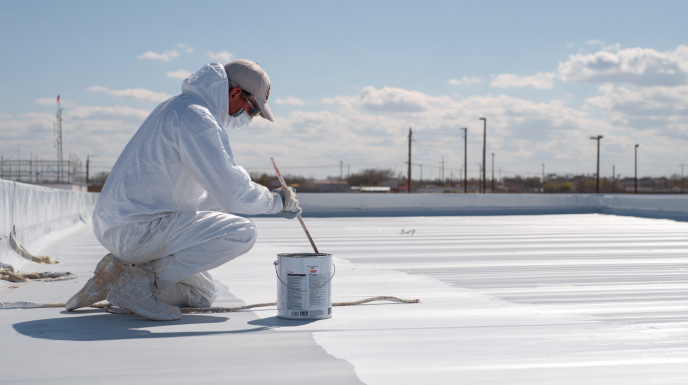
Commercial roofing systems work hard through every season. In the Washington DC area, a flat or low-slope roof can spend the summer absorbing direct sunlight, humidity, and heat from rooftop HVAC equipment, then shift into fall storms and winter freeze-thaw cycles. Over time, seams weaken, drainage problems become more obvious, and older roofing materials may lose the flexibility they need to resist leaks. That’s why many property owners start researching the benefits of roof coatings before committing to a full replacement. A protective roof coating can be useful in the right situation, especially when the existing commercial roof is still structurally sound and needs added surface protection rather than a complete tear-off.
Protective roof coatings can help extend the life of some commercial roofing systems by reducing UV exposure, improving reflectivity, and adding a protective surface layer. They’re most effective when the roof is dry, structurally sound, and properly inspected first. Commercial roof restoration should always begin with a clear diagnosis, not a quick coating application.
In this guide, we’ll cover:
- What roof coatings do and what they don’t do.
- Why restoration depends on the existing roof condition.
- What building owners should review before budgeting for coatings.
- How local weather affects commercial roof performance.
- When an inspection should come before restoration planning.
If your commercial roof is aging, leaking, or showing signs of storm damage, AWS Restorations can help with a straightforward inspection and honest guidance.
What Commercial Roof Coatings Are and Why They Matter
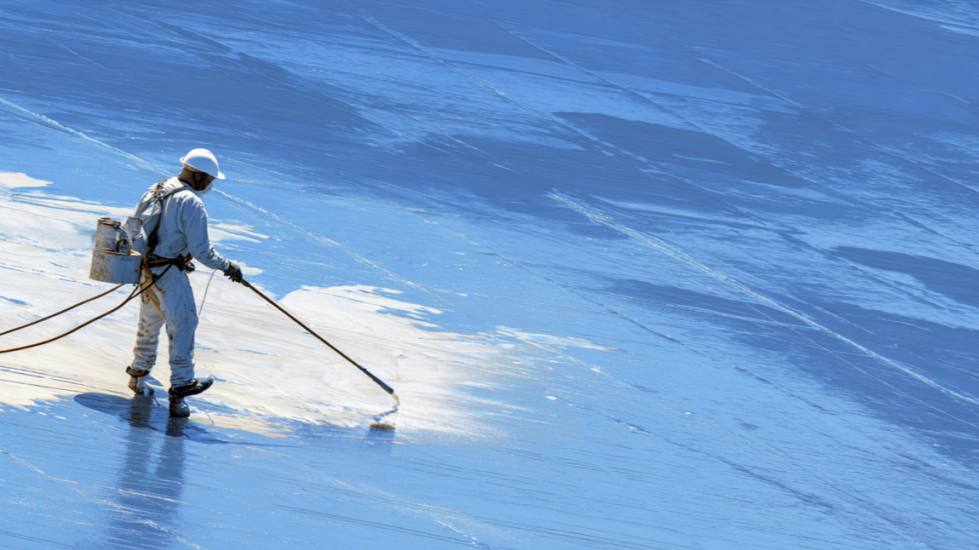
Commercial roof coatings are liquid-applied materials designed to create a protective layer over certain existing roofing systems. Once cured, the coating forms a continuous surface that can help defend the roof against sunlight, moisture exposure, and normal weathering.
A roof coating is not the same as a new roof. It doesn’t replace damaged decking, saturated insulation, failed flashing, or a roof system that has already reached the end of its usable life. It also shouldn’t be used to hide active leaks or unresolved drainage issues.
In simple terms, commercial roof restoration is the process of improving an existing roof so it can continue performing longer. Coatings may be part of that process when the roof is a good candidate. Repairs, seam reinforcement, cleaning, moisture checks, and drainage improvements often need to happen first.
This matters in the Mid-Atlantic because commercial roofs face a demanding mix of conditions. Summer heat can dry and age roof surfaces. Heavy rain can expose weak seams and drainage problems. Hail and wind can damage flashing, roof edges, and rooftop penetrations. Winter temperatures can make existing cracks worse as materials expand and contract.
For property owners, the main question isn’t whether coatings sound useful. The better question is whether the roof is healthy enough for restoration to make financial and practical sense.

What to Know Before Planning Commercial Roof Restoration
Before choosing protective roof coatings, building owners should understand the condition of the roof, the project budget, and any local requirements that could affect the work.
Start With the Roof’s Current Condition
A commercial roof may be a good candidate for restoration if it’s mostly dry beneath the surface, structurally sound, and not experiencing widespread membrane failure. Small problem areas can often be repaired before restoration begins.
A roof is usually a poor candidate if it has:
- Saturated insulation.
- Soft or damaged decking.
- Recurring leaks in multiple areas.
- Severe ponding water.
- Large sections of failed membrane.
- Flashing systems that are separating or deteriorated.
- Multiple previous repairs that haven’t held up.
Coating over these issues can make matters worse. Moisture may become trapped below the surface, and hidden damage can continue spreading.
Review Budget and Long-Term Timing
Roof restoration is often considered because it may cost less than full replacement and cause less disruption to the building. That can be helpful for offices, retail spaces, warehouses, and other commercial properties where downtime matters.
Still, the lowest bid isn’t always the best option. Proper preparation can include cleaning, seam repairs, primer, moisture testing, patching, reinforcement, and multiple coating layers. Skipping those steps can shorten the life of the project.
Property owners should compare the cost of restoration against the remaining life of the roof. If the roof is too far gone, replacement may be the more responsible long-term investment.
Check Permits, Codes, and Building Requirements
Commercial roofing work can involve local building codes, energy standards, drainage rules, and permitting. Requirements vary by jurisdiction and building type, especially for larger commercial properties.
Before moving forward, owners should confirm what’s required for their specific building. This is especially important for properties with tenant operations, rooftop mechanical equipment, historical restrictions, or insurance-related repair work.
How Protective Roof Coatings Can Extend Commercial Roof Life
Protective roof coatings can extend commercial roof life when they’re used on the right roof, installed over a properly prepared surface, and maintained after application. The biggest advantages usually come from surface protection, reflectivity, and reduced exposure.
They Help Reduce UV Wear
UV exposure slowly breaks down roofing materials. On flat and low-slope roofs, the surface often gets direct sunlight for long stretches of the day. Over time, that exposure can dry out materials, weaken seams, and accelerate cracking.
A reflective coating can help reduce direct UV impact on the roof membrane. Instead of leaving the original roof surface fully exposed, the coating becomes the first layer of defense. This can slow normal weathering and help the roof perform longer.
They Can Lower Surface Temperatures
Many protective roof coatings are designed to reflect sunlight. A more reflective surface can reduce roof temperature, which may help lower heat transfer into the building.
That doesn’t mean every property will see major energy savings. Results depend on insulation, HVAC performance, roof size, building use, and the type of coating installed. Still, reducing heat absorption can be a practical benefit for commercial properties with large roof areas.
Lower surface temperatures may also reduce thermal movement. When roofing materials expand and contract less aggressively, seams, flashing, and transitions may experience less stress over time.
They Add a Protective Weathering Layer
Commercial roofs are exposed to rain, debris, foot traffic, rooftop equipment, and seasonal temperature swings. A coating can add a protective layer over the existing system, helping reduce normal surface wear.
This added layer is especially useful when the underlying roof is aging but still stable. It can help preserve the roof while giving the owner more time to plan for eventual replacement.
They Can Support Restoration Instead of Immediate Replacement
A full commercial roof replacement can be disruptive and expensive. When the roof is still restorable, a coating system may help delay replacement and spread out capital planning.
This is one of the main benefits of roof coatings for commercial property owners. Restoration can buy time, reduce disruption, and protect the building when the roof doesn’t yet need a full tear-off.
However, coating should never be treated as a universal fix. If the roof is leaking because of trapped moisture, failing insulation, or structural damage, restoration may not solve the real problem.
They Work Best With Ongoing Maintenance
A coated roof still needs maintenance. Drains should be kept clear. Seams and penetrations should be checked after major storms. Rooftop equipment areas should be monitored for damage from service traffic.
Commercial roof restoration is not a one-time answer to every future roofing concern. It’s part of a longer maintenance plan. The better the roof is maintained, the better chance it has of lasting as expected.
Deeper Commercial Roof Coating Considerations for Property Owners
Not all protective roof coatings work the same way. Product selection depends on the roof system, drainage conditions, weather exposure, budget, and performance goals.
Common Types of Commercial Roof Coatings
Acrylic coatings are often used for UV protection and reflectivity. They can be cost-effective, but they may not be the best choice for areas with frequent ponding water.
Silicone coatings are often used on roofs where moisture exposure is a concern. They can perform well in wet conditions, although they may collect dirt over time.
Polyurethane coatings are known for durability and impact resistance. They may be useful in areas with more foot traffic or higher exposure to wear.
Reinforced coating systems may include fabric or mesh at seams, transitions, and penetrations. These details are important because many commercial roof leaks begin where materials meet.
Warranty Terms Depend on the System
Commercial coating warranties vary. Some are based on coating thickness. Others depend on preparation, approved materials, roof condition, and inspection requirements.
Building owners should ask what the warranty actually covers. A product warranty and a workmanship warranty are not the same thing. It’s also important to understand what maintenance is required to keep coverage valid.
Pros and Cons of Roof Coatings
Protective roof coatings can be a smart option when the roof is a good candidate, but they’re not right for every situation.
Pros include:
- They can extend the life of a qualified roof.
- They may reduce surface heat.
- They can improve reflectivity.
- They can reduce disruption compared to replacement.
- They may help with budget planning.
- They add protection against normal weather exposure.
Cons include:
- They don’t fix saturated insulation.
- They don’t solve structural damage.
- They require careful surface preparation.
- They may fail if installed over trapped moisture.
- They still require maintenance.
- They aren’t appropriate for every roof system.
Why Inspection Comes First
AWS Restorations doesn’t need to oversell a coating system to help property owners make the right roofing decision. The first step is understanding what’s happening on the roof.
With more than 31 years of local roofing experience, GAF certification, an A+ BBB rating, and a reputation for honest inspections, the team can evaluate visible damage, storm concerns, roof age, drainage issues, and repair needs. For commercial property owners, that clarity matters. Sometimes the answer is repair. Sometimes replacement is the better long-term choice. And sometimes a roof may be worth evaluating for restoration by a qualified coating specialist.
The key is making the decision based on roof condition, not guesswork.
Commercial Roof Coating FAQs for Washington DC Property Owners
Do roof coatings stop commercial roof leaks?
Roof coatings can stop some commercial roof leaks only when the leak sources are properly repaired before coating. Coating over active leaks, wet insulation, or failed flashing can trap moisture and hide deeper damage. A roof inspection should happen first.
Are protective roof coatings the same as roof replacement?
Protective roof coatings are not the same as roof replacement. A coating adds a surface layer over an existing commercial roof, while replacement removes and rebuilds the roofing system. Coatings may extend roof life, but they won’t correct major structural failure.
How do I know if my commercial roof is a good coating candidate?
Your commercial roof may be a good coating candidate if it’s dry, structurally sound, compatible with coating materials, and not experiencing widespread leaks. Roofs with saturated insulation, soft decking, or major drainage issues usually need repair or replacement planning first.
Can roof coatings reduce cooling costs?
Roof coatings can help reduce cooling costs in some buildings by reflecting sunlight and lowering roof surface temperature. Actual savings depend on insulation, HVAC efficiency, roof color, building size, and how the property is used.
Do coated commercial roofs still need maintenance?
Coated commercial roofs still need regular maintenance. Drains should be cleared, seams should be inspected, and rooftop equipment areas should be checked after storms or service work. Maintenance helps protect the coating and the roof underneath it.
What happens if a coating is applied over trapped moisture?
A coating applied over trapped moisture can make the problem worse. Moisture may continue damaging insulation, decking, or membrane materials below the surface. That’s why moisture concerns should be identified before any restoration work begins.
Should I repair, coat, or replace my commercial roof?
The right choice depends on roof age, leak history, drainage, insulation condition, storm damage, and budget. A newer roof with isolated problems may only need repair. A sound aging roof may be considered for restoration. A failing roof may need replacement.
Final Thoughts: Roof Coatings Can Help, but They Have to Fit the Roof
The benefits of roof coatings are real when the existing commercial roof is a strong candidate for restoration. Protective roof coatings can reduce UV exposure, improve reflectivity, and help extend the service life of some roofing systems. But they’re not a shortcut for major damage, trapped moisture, or poor drainage.
The smartest first step is a professional inspection that looks at the full roof system, including seams, flashing, penetrations, drainage, storm damage, and signs of hidden moisture.
AWS Restorations brings decades of local experience, GAF Certified standards, strong customer trust, and a no-pressure approach to commercial roofing decisions. If your roof is aging, leaking, or showing signs of weather damage, schedule your free inspection today.