


 (703) 426-4000
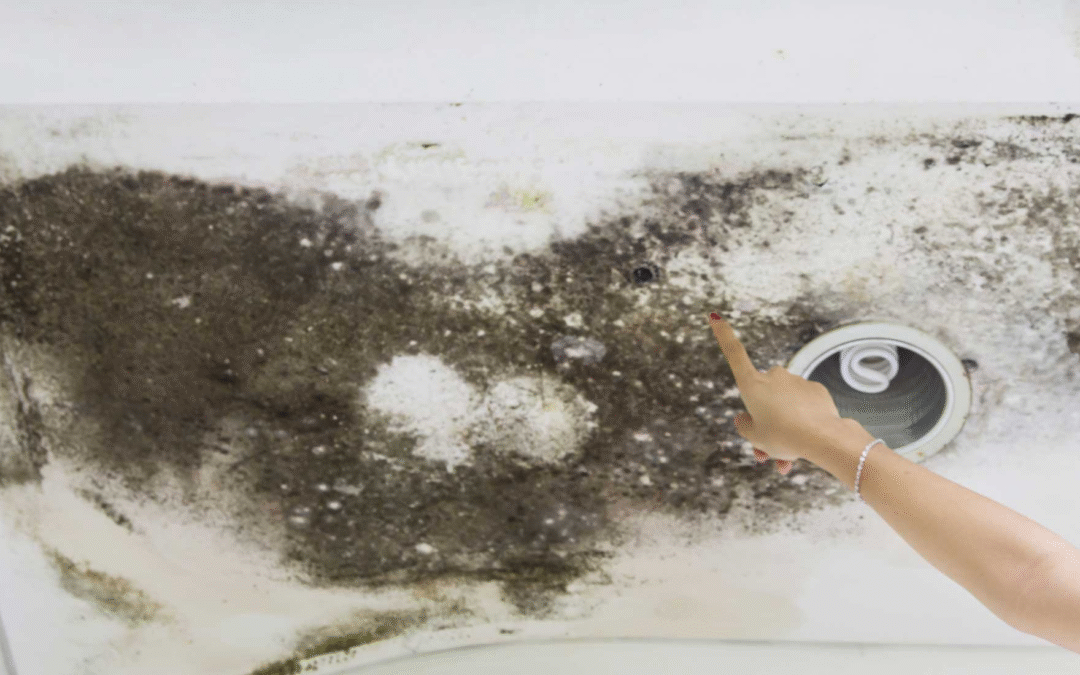
It’s one of the more frustrating home maintenance issues: a stain appears on the ceiling, or you catch the faint smell of mildew in a room you rarely use. You step outside, look up at the roof, and everything seems fine. No missing shingles. No storm damage. Nothing obvious. So where is the leak coming from?
At AWS Restorations, we’ve been helping homeowners across Northern Virginia and the DC area for over 30 years. We’ve seen this scenario play out time and again. The truth is, roof leaks don’t always come from missing shingles. In fact, some of the most common leaks are the quietest, caused by small failures in parts of the roof that are easy to overlook.
If you’re dealing with a leak and aren’t sure where it’s coming from, you’re not alone. In this guide, we’ll explain what to look for, what it means, and how to approach it in a way that’s smart, budget-conscious, and rooted in long-term value.
Quick Takeaways
- A roof can leak even when shingles look perfectly intact
- Common culprits include flashing, pipe boots, underlayment, and attic ventilation
- Most of these issues develop gradually, not suddenly
- Early inspection can save time, money, and bigger headaches down the line
- AWS Restorations offers free exterior inspections and honest feedback
If you want someone to take a look without pressure or upselling, we’re here to help.
Why This Happens So Often in DC-Area Homes
Roofs around Washington DC and Northern Virginia face their fair share of stress. Heavy rain, high winds, humidity, freezing temperatures, all of it wears down even the best materials over time. But while shingles get most of the attention, the real trouble often starts underneath or around them.
Let’s look at a few common weak spots.
Flashing
Flashing is thin metal installed around areas like chimneys, roof valleys, and skylights. Its job is to direct water away from those vulnerable joints. Over time, flashing can rust, pull away, or develop gaps, especially after a rough storm or years of thermal expansion and contraction.
Pipe Boots and Seals
If you have vents or plumbing pipes that exit through the roof, there’s usually a rubber boot or seal around them. These don’t last forever. They crack with age and exposure, letting water in even when the shingles around them are fine.
Underlayment
This is the waterproof layer beneath your shingles. If it tears or wears down, especially in older roofs, you won’t notice anything from the outside. But water can work its way in and show up as a leak inside.
Attic Ventilation
Not every leak is caused by water coming from the outside. Poor airflow in your attic can lead to condensation, especially in winter. That moisture has to go somewhere. Often, it ends up soaking insulation or forming stains on ceilings.
If those components fail, leaks can form in ways that are easy to miss. Here are the warning signs homeowners in our region should look out for.
Signs You Might Have a Hidden Roof Leak
Not all roof leaks announce themselves with dripping water or visible damage. In fact, some of the most costly issues start quietly. If you know what to watch for, you can often catch a problem before it gets worse.
Here are common signs of a hidden roof leak, especially in older DC-area homes:
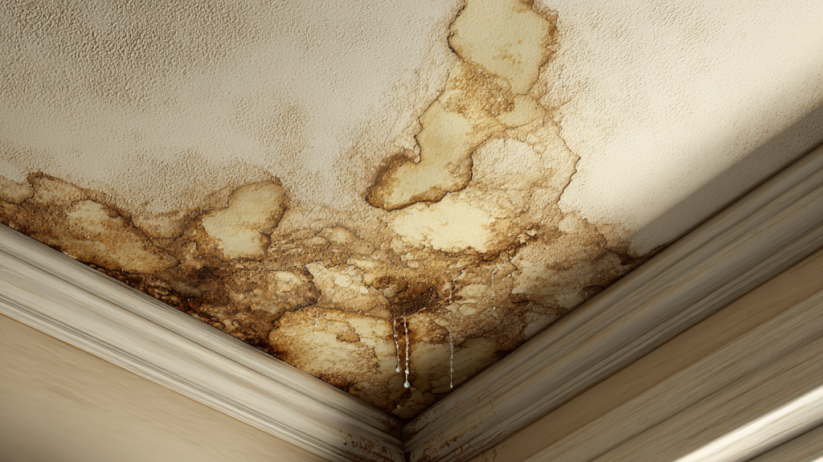
- Ceiling or wall stains that appear brown, yellow, or damp after rain
- Musty odors in specific rooms or parts of the attic
- Paint that’s peeling or bubbling, often near windows or ceilings
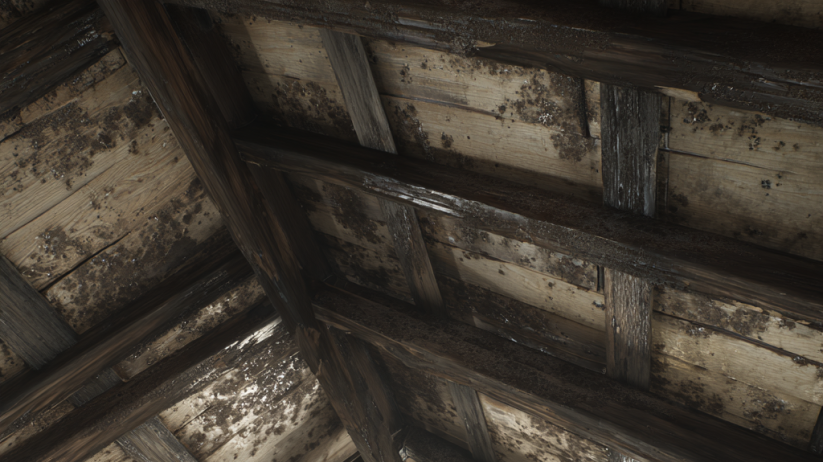
- Mold or mildew in attic spaces or insulation
- Warped or soft drywall around light fixtures or fans
- Higher indoor humidity or sudden HVAC strain, even when it’s not humid outside
If you notice one or more of these, it’s worth getting your roof inspected— especially if your system is 15+ years old or hasn’t been checked in a while. Small leaks left untreated often lead to bigger repairs down the line.
AWS Restorations offers free exterior inspections in the DC area. We’ll help you figure out what’s going on without pressure or assumptions.
Once you’ve spotted signs of a possible leak, the next step is to understand what to expect before any work begins.
Before You Call for a Repair, Here’s What to Know
We recommend a few simple steps before deciding on a fix. These will help you get the right solution the first time, without spending money on unnecessary work.
1. Know Your Roof’s Age
If your roof is over 15 or 20 years old, the chances of hidden damage go up. Materials break down. Seals weaken. Even if shingles are in place, the system as a whole may be nearing the end of its reliable lifespan.
2. Check for Other Clues
Look in your attic if you can. Is insulation damp? Any light shining through the roof boards? These small details can tell you a lot. A trusted contractor will also check these areas during a proper inspection.
3. Consider Warranty and Material Options
At AWS Restorations, we install GAF Ultra HD shingles with available 50-year warranties. We also include a free upgrade to architectural shingles on every job. If your current roof doesn’t offer those protections, it might be time to weigh long-term value over short-term fixes.
4. Understand What the Repair Will Involve
Not every leak means you need a new roof. Often, a small flashing repair or boot replacement will do the trick. Other times, widespread underlayment failure means it’s more cost-effective to address the full system. We’ll walk you through your options so you can make an informed call.
The Most Common Causes of Roof Leaks Without Missing Shingles
These are the issues we find most often during inspections:
Cracked or Loose Flashing
Flashing is one of the first areas to break down. Once water gets under it, it doesn’t need much of a path to reach the inside of your home.
Worn Pipe Boots
These small rubber seals tend to dry out and crack around year 10 to 15. When they do, leaks can start slowly and go unnoticed until ceiling damage appears.
Underlayment Issues
We’ve seen roofs where shingles looked perfect, but the underlayment was torn or missing in spots. This is especially common with older roofs or quick repairs that didn’t use high-quality materials.
Ventilation Imbalances
Poor attic ventilation can trap moisture and increase the risk of mold and mildew. In winter, it can even cause water to drip down onto your ceiling from the inside out.
Installation Errors
Unfortunately, not all roofing work is done right. We often find missing drip edges, misaligned flashing, or improper nailing that leads to early failures. Even one mistake can lead to water intrusion down the line.
What We Do Differently at AWS Restorations
We’ve been in business since 1989 and have seen just about every roofing scenario out there. We don’t rely on guesswork or high-pressure sales. Our goal is to give you accurate information, solid workmanship, and real peace of mind.
- Free exterior inspections
- No payment until the roof is done (offered on a case-by-case basis)
- Certified installers (GAF Certified and CertainTeed ShingleMaster)
- 5-year workmanship warranty standard, 10 years available by request
- Angie’s List Super Service Award winner
- Locally owned and operated, serving Northern VA and the DC Metro area for over 30 years
We treat your home like we’d treat our own. That means careful inspections, clear communication, and only recommending what’s necessary.
Common Questions About Roof Leaks Without Missing Shingles in Washington DC
If you’re dealing with a roof leak but can’t spot any damage on the surface, you probably have a few questions. Below, we’ve answered the most common concerns we hear from homeowners in the DC area.
My roof looks fine. Why is there a leak?
Your roof can leak even when it looks fine because small components like flashing or pipe boots may have failed. These types of leaks often occur when seals crack or metal components pull away from the surface, allowing water to enter unnoticed.
Should I file an insurance claim for a hidden roof leak?
You should file an insurance claim only if the leak was caused by sudden, storm-related damage. Gradual wear or age-related issues usually aren’t covered, but we can help you document the problem and determine if it qualifies.
How much does a typical roof repair cost?
The cost to repair a roof leak without missing shingles typically starts around a few hundred dollars. Minor repairs like replacing flashing or a pipe boot are usually affordable, but more extensive issues like underlayment damage will increase the cost.
Do I need a permit to fix a roof leak in Washington DC?
Most minor roof repairs do not require a permit in Washington DC or Northern Virginia. However, if structural work or a full replacement is needed, a permit may be required. We handle all necessary permits when applicable.
How soon can AWS Restorations inspect my roof?
AWS Restorations can usually inspect your roof within 24 hours of your call. We offer free inspections, and we’ll explain exactly what we find and what it means for your next steps.
Final Thoughts
A roof that leaks without obvious damage can feel confusing and stressful. But the cause is usually something we can identify and address. The key is not to wait. Left alone, even small leaks can turn into larger problems.
At AWS Restorations, we’re here to help you protect your home without the runaround. We bring over three decades of experience, use top-quality materials, and back our work with real warranties and reliable crews.
If you need a second opinion, or just want someone to take a closer look, schedule your free inspection today. We’ll give you the information you need to move forward, on your timeline, and your terms.