


 (703) 426-4000
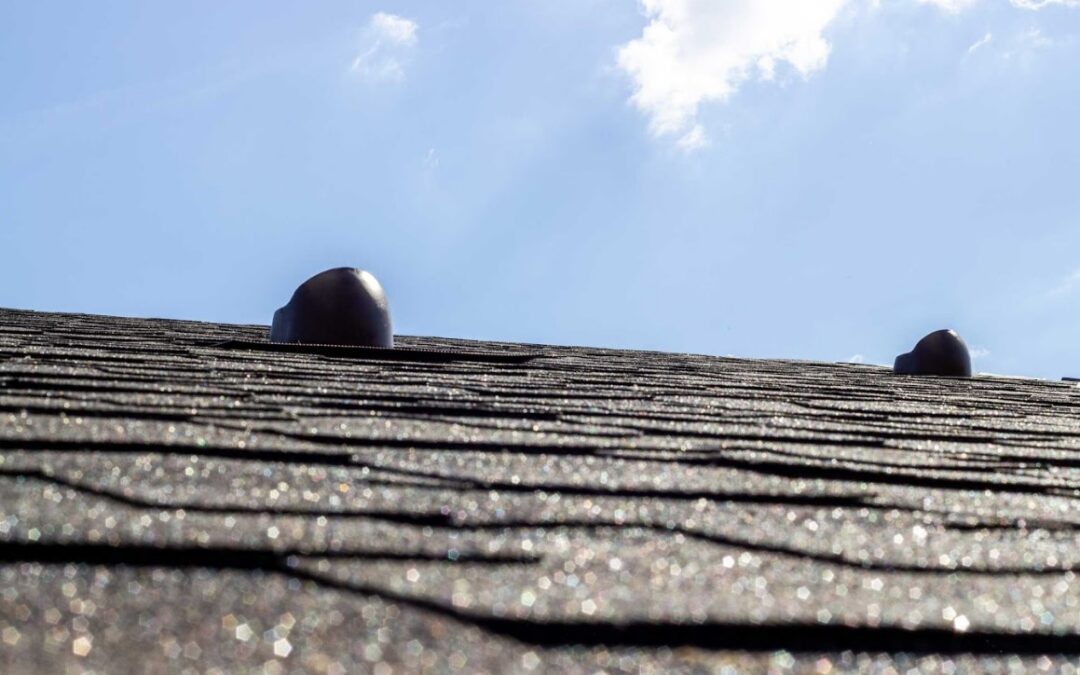
Most roof ventilation problems that lead to moisture buildup and higher energy bills come down to one issue, your attic isn’t getting the airflow it needs. In Washington, DC, where humidity and temperature swings are common, poor ventilation traps heat and moisture inside the roof system. That buildup forces your HVAC system to work harder and can lead to long-term damage if it’s not addressed early.
If you’ve noticed higher energy bills, uneven temperatures, or signs of moisture in your attic, it may be a sign your roof isn’t ventilating properly. These issues often develop gradually, which is why they’re easy to overlook until they start affecting comfort or cost.
Here’s what this guide will walk you through:
- How roof ventilation problems lead to moisture buildup
- Why those same issues drive up energy bills
- The most common ventilation mistakes we see in this area
- What to look for before deciding on a fix
If you’re not sure how your current system is performing, AWS Restorations can help with a straightforward inspection and clear recommendations.
Why Roof Ventilation Problems Lead to Moisture and Higher Energy Bills in Washington, DC
Roof ventilation is designed to move air through your attic in a controlled way. When that system works properly, cooler air enters through intake vents and warmer, moisture-laden air exits through exhaust vents. When it doesn’t, both moisture and heat start to build, and that’s where problems begin. When your roof isn’t ventilating properly, it affects both how moisture is handled in the attic and how hard your home has to work to stay comfortable.
How Heat Buildup Increases Energy Bills
During Washington summers, attic temperatures can rise quickly. When ventilation is limited or unbalanced, that heat has nowhere to go. It collects in the attic and radiates downward into your living space.
As a result, your air conditioning system has to run longer and work harder just to keep the house comfortable. Even a 20 to 30 degree increase in attic temperature can noticeably impact cooling performance. Over time, this leads to higher monthly energy bills and added wear on your HVAC system.
How Moisture Buildup Develops in the Same System
At the same time, everyday activities like cooking, showering, and laundry release moisture into the air inside your home. That warm, moist air naturally rises into the attic. Without proper airflow, that moisture has nowhere to go, which is why controlling moisture in the attic becomes such a common issue.
When that moisture settles, it can:
- Condense on wood framing
- Soak into insulation
- Create conditions for mold growth
This is why problems with roof ventilation often show up as both moisture buildup in the attic and higher energy bills. The same airflow issue causes both.
Why This Matters Year-Round
In winter, the process reverses but the problem remains. Warm indoor air rises, meets cold attic surfaces, and turns into condensation. Without ventilation to remove that moisture, it can lead to long-term structural concerns.
Signs Roof Ventilation Problems Are Increasing Moisture and Energy Costs
Most homeowners don’t notice ventilation issues right away, but there are consistent signs that point to problems affecting both moisture levels and energy use.
- An attic that feels excessively hot during summer months
- Musty or damp odors coming from upper levels of the home
- Uneven indoor temperatures, especially between floors
- Rising energy bills without a clear explanation
- Visible moisture, frost, or damp insulation in the attic
These are often early signs of roof ventilation problems that are already affecting both moisture levels and energy use.
What to Know Before Fixing Roof Ventilation Problems
Before making changes, it’s important to understand that ventilation is not about adding more vents. It’s about creating a balanced system that allows air to move correctly.
What Impacts Performance and Cost
Several factors influence how ventilation problems develop and how they should be addressed:
- Roof design and layout
- Type and placement of existing vents
- Condition and positioning of insulation
- Air sealing between living space and attic
In many homes, especially newer ones, we regularly see insulation blocking intake vents without the homeowner realizing it. This small issue can prevent airflow entirely, leading to both moisture buildup and higher attic temperatures.
Why a Targeted Approach Matters
Adding vents without understanding airflow often makes the problem worse. A proper inspection helps identify whether the issue is intake, exhaust, or overall system imbalance.
If you’re unsure where to start, a simple inspection can usually clarify what’s causing both the moisture and the energy increase without committing to unnecessary work.
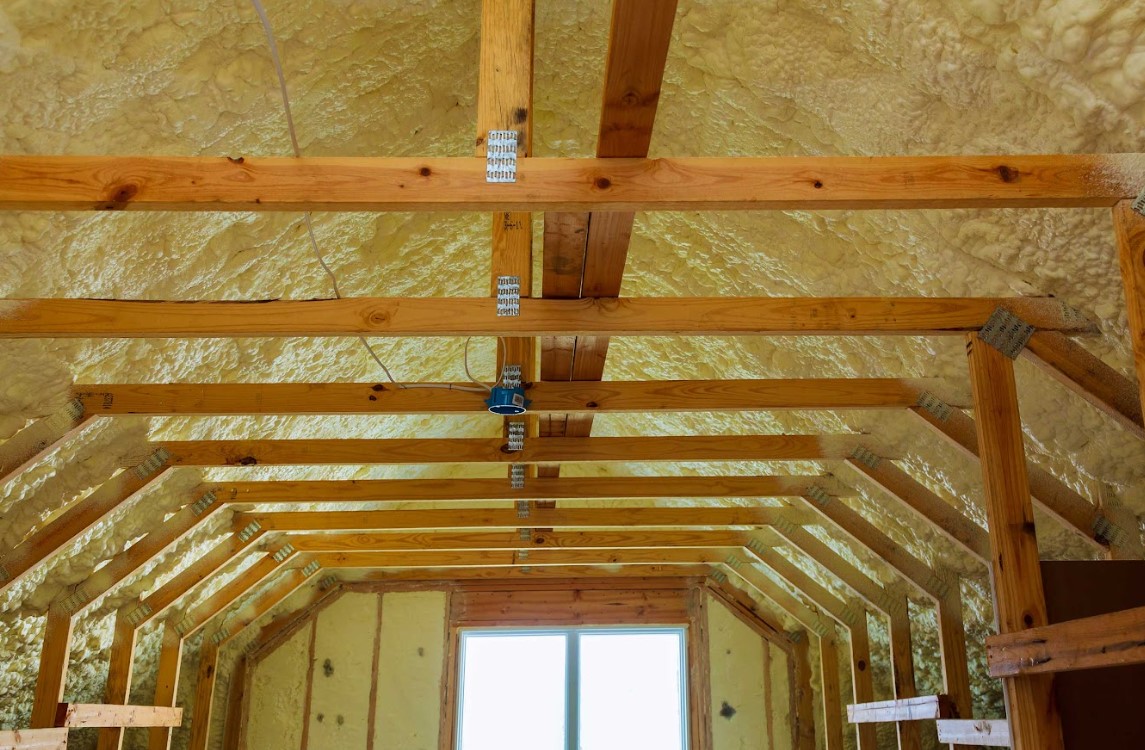
The Most Common Roof Ventilation Problems That Increase Moisture and Energy Bills
Most roof ventilation issues show up in a few consistent ways, and almost all of them affect both moisture control and energy efficiency at the same time.
Blocked or Insufficient Intake Ventilation
Intake vents are responsible for bringing fresh air into the attic. When they’re blocked by insulation or debris, airflow stops at the source.
This causes:
- Heat to build up quickly
- Moisture to remain trapped
- Energy efficiency to drop
Without proper intake, the entire system becomes ineffective.
Inadequate or Poorly Designed Exhaust Venting
Exhaust vents allow hot, moist air to escape. When there aren’t enough, or when they’re not placed correctly, air lingers in the attic.
That leads to:
- Persistent high temperatures
- Increased humidity levels
- Faster deterioration of roofing materials
Vent Systems That Work Against Each Other
In some homes, multiple ventilation systems are installed without considering how they interact.
For example:
- Ridge vents combined with powered attic fans
- Multiple exhaust systems pulling air in different directions
Instead of improving airflow, this can pull conditioned air from inside the home, increasing energy loss and raising utility bills.
Insulation That Restricts Airflow
Improperly installed insulation can block airflow at the eaves, preventing intake vents from functioning.
This results in:
- Trapped heat and moisture
- Reduced ventilation efficiency
- Higher energy consumption
Aging or Poorly Installed Ventilation Systems
Older homes or rushed construction projects often have ventilation systems that were never properly balanced.
Over time, this leads to:
- Ongoing moisture issues
- Increased energy costs
- Repeated repair needs
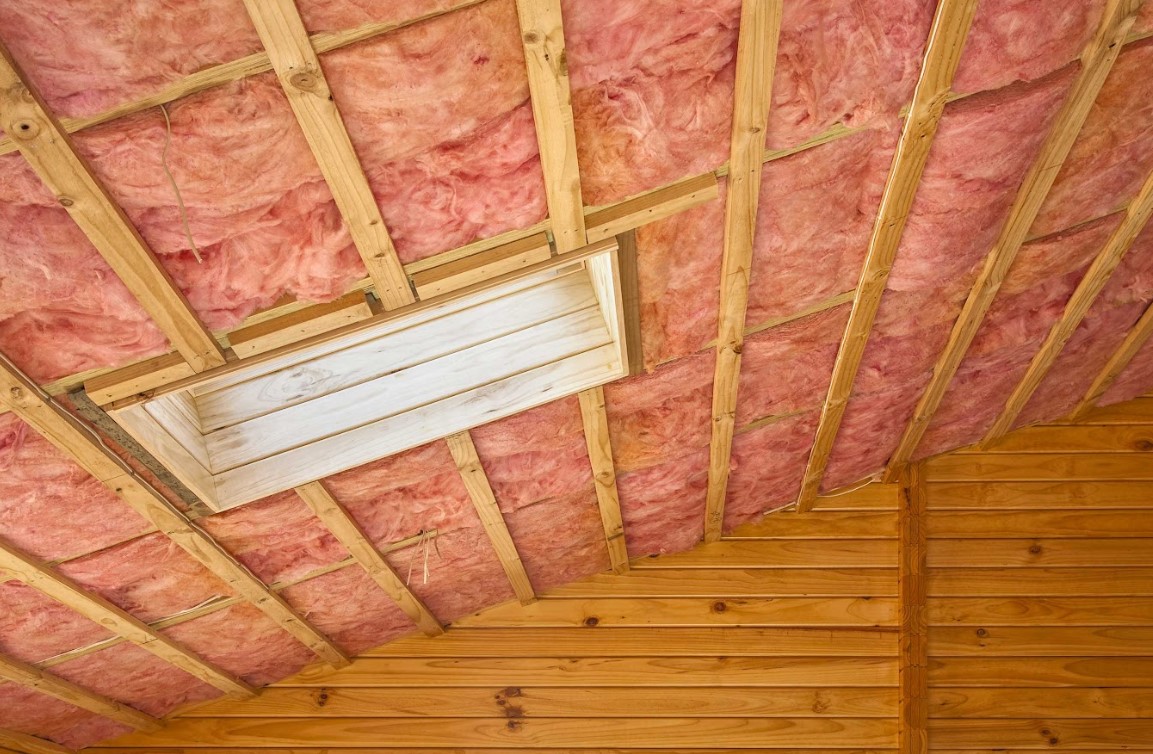
How Proper Ventilation Reduces Moisture and Improves Energy Efficiency
Fixing roof ventilation problems that increase moisture and energy bills is less about adding more vents and more about getting the system to work together properly.
Why Balance Matters More Than Volume
A common mistake is increasing exhaust without improving intake. This creates negative pressure, which can pull conditioned air from inside the home and actually increase energy costs.
Proper ventilation ensures:
- Cool air enters consistently
- Warm, moist air exits efficiently
- The system works as a whole
Practical Solutions That Make a Difference
- Clearing or restoring blocked intake vents
- Adjusting or upgrading exhaust ventilation
- Repositioning insulation to allow airflow
- Sealing air leaks between the attic and living space
Long-Term Benefits
- Lower heating and cooling costs
- Reduced moisture and mold risk
- Longer lifespan for roofing materials
- More stable indoor temperatures
Most homeowners don’t realize it, but problems with roof ventilation can lead to moisture buildup in the attic and higher energy bills at the same time. That’s why getting the system balanced is so important.
At AWS Restorations, the focus is on identifying how your current system is performing and recommending adjustments that address both moisture and energy concerns without unnecessary work.
Common Questions About Roof Ventilation Problems and Energy Costs in Washington, DC
If you’re dealing with moisture in the attic or noticing higher energy bills, these are some of the questions that usually come up when trying to understand what’s going on.
How do I know if roof ventilation problems are affecting my energy bills?
Roof ventilation problems affect your energy bills when heat builds up in the attic and forces your HVAC system to work harder. This usually shows up as higher cooling costs and uneven temperatures throughout the home.
What causes attic moisture when roof ventilation isn’t working properly?
Attic moisture builds up when roof ventilation isn’t working properly and warm air gets trapped in the attic. Without airflow to remove it, that moisture condenses and can lead to insulation damage or mold over time.
Can improving roof ventilation lower energy costs?
Improving roof ventilation can lower energy costs by allowing heat to escape and reducing the strain on your cooling system. Balanced airflow helps your home maintain a more consistent temperature.
Are roof ventilation problems common in Washington, DC homes?
Roof ventilation problems are common in Washington homes due to humidity, seasonal temperature swings, and varying construction methods. Many systems are either blocked, unbalanced, or not designed for current conditions.
Do I need a full roof replacement to fix ventilation issues?
You do not need a full roof replacement to fix most ventilation issues. In many cases, adjustments to airflow, vent placement, or insulation can resolve the problem without major work.
How often should roof ventilation be checked to avoid moisture and energy issues?
Roof ventilation should be checked at least once a year to avoid moisture and energy issues. Regular inspections help catch airflow problems early before they lead to higher costs or damage.
Final Thoughts on Roof Ventilation Problems That Increase Moisture and Energy Bills
Roof ventilation problems usually build slowly, but over time they show up as higher energy bills, moisture in the attic, and more wear on your home.
The sooner you understand how your roof is ventilating, the easier it is to avoid bigger issues later.
Addressing these issues early helps protect both your home and your long-term costs. With over 30 years of experience, AWS Restorations focuses on clear inspections and practical recommendations that solve the problem without overcomplicating the process.
If you’re noticing signs of heat buildup or attic moisture, schedule your free inspection today and get a clear understanding of what your roof actually needs.