

 (703) 426-4000
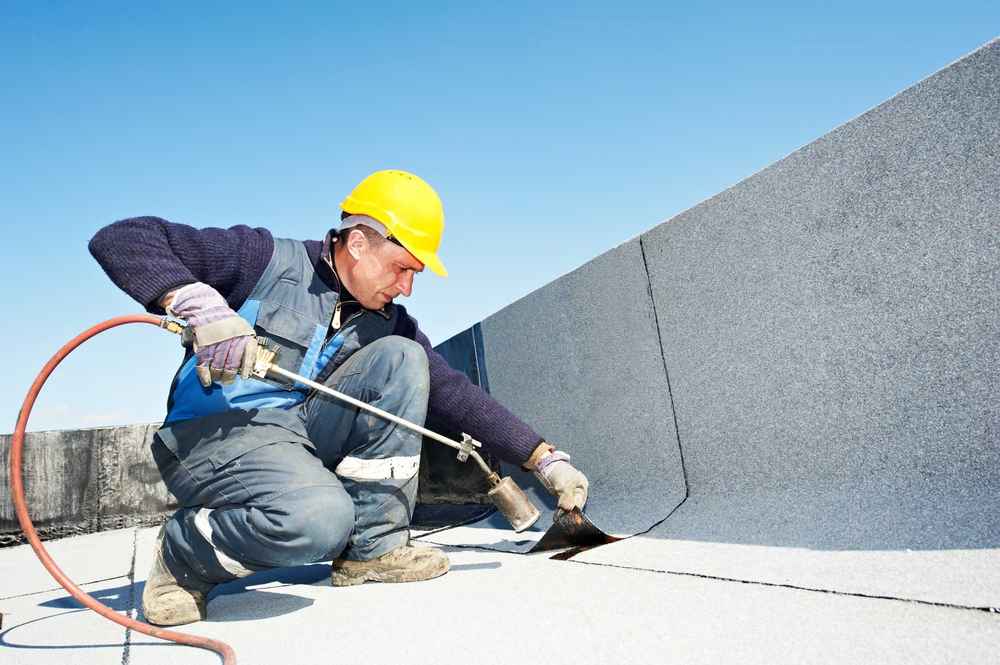
During the hottest stretches of summer in Northern Virginia, commercial buildings absorb an enormous amount of heat through the roof. Warehouses, office buildings, retail centers, and multi-family properties often experience rising indoor temperatures and higher cooling costs long before property owners realize how much the roofing system contributes to the problem.
For many building owners and property managers, energy costs become especially noticeable after several consecutive weeks of high heat and humidity. Older roofing systems, especially dark flat roofs with aging insulation, tend to retain solar heat throughout the day. Over time, that heat increases HVAC strain, accelerates roof aging, and contributes to rising operating costs.
This is one reason energy-efficient roofing options for commercial properties have become increasingly important throughout Northern Virginia. Modern commercial roofing systems are no longer designed only to keep water out of the building. Many newer systems are built to reduce heat absorption, improve HVAC efficiency, and support better long-term building performance without relying solely on expensive mechanical upgrades.
Understanding energy-efficient roofing options for commercial properties helps building owners make more informed decisions about roof replacement timing, maintenance planning, cooling efficiency, and long-term operational costs.
In this guide, we’ll explain:
- How commercial roofing affects cooling costs
- What makes a roof more energy efficient
- Which roofing systems perform best in high heat
- How insulation and ventilation affect long-term performance
- What building owners should evaluate before replacement
- How maintenance and roof lifespan influence long-term value
A commercial roof replacement is a major investment. A thorough inspection and honest discussion about lifespan, maintenance, and energy performance can help property owners make more informed decisions. AWS Restorations can help evaluate your current roofing system with a practical, no-pressure approach.
Why Commercial Roofing Plays a Bigger Role in Energy Costs Than Most Owners Realize
The roofing system directly affects how much heat enters a commercial building throughout the day. On large properties, the roof often represents one of the biggest exposed surfaces on the structure. When roofing materials absorb excessive solar heat, interior temperatures rise and HVAC systems work harder to maintain comfortable conditions.
Traditional dark roofing surfaces tend to retain significant heat during the summer, especially on flat and low-slope commercial roofs. As roof temperatures increase, that heat gradually transfers into the building, increasing cooling loads and placing additional strain on HVAC equipment.
Over time, excessive heat exposure can also accelerate membrane aging, weaken flashing systems, dry out adhesives, and increase thermal stress throughout the roofing assembly.
The roof is also part of the larger building envelope, meaning insulation, ventilation, drainage, and membrane performance all influence energy efficiency and indoor comfort.
This becomes especially important in Northern Virginia, where commercial roofs regularly experience:
- Long periods of summer heat and humidity
- UV exposure throughout the year
- Seasonal temperature swings
- Heavy rain and storm activity
- Repeated thermal expansion and contraction
For many commercial property owners, roofing decisions are increasingly tied to long-term operating costs, HVAC performance, maintenance planning, and roof lifespan rather than installation cost alone.
What Makes a Commercial Roof Energy Efficient?
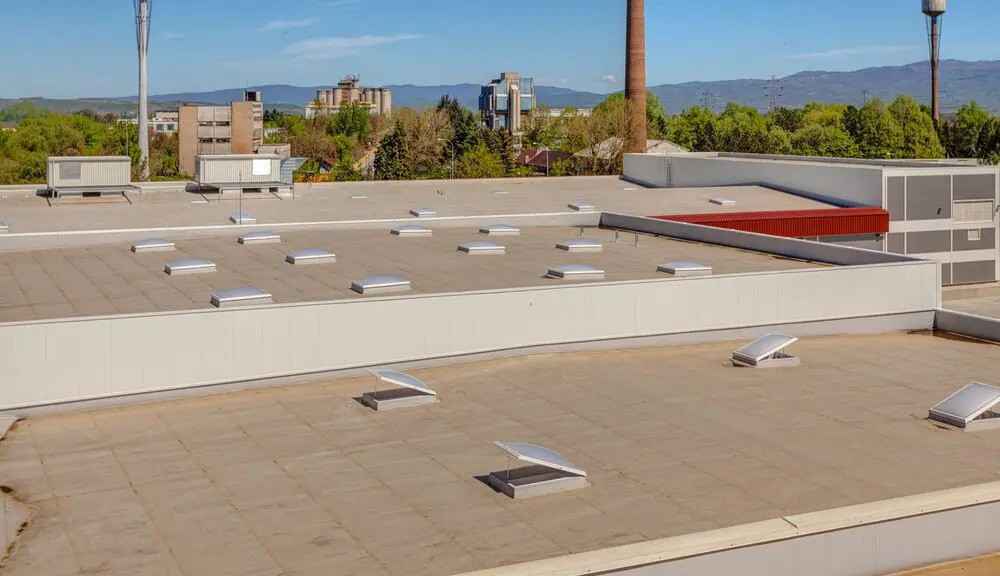
Energy-efficient commercial roofing systems are designed to reduce heat transfer into the building while supporting long-term durability and HVAC efficiency.
A roof becomes more energy efficient when the system limits heat absorption, improves insulation performance, reduces trapped moisture, and minimizes thermal stress over time.
Reflective Roofing Materials Help Reduce Solar Heat Absorption
Reflective commercial roofing systems are designed to reflect more sunlight instead of absorbing it into the roof surface. This process, commonly referred to as solar reflectance, helps lower roof surface temperatures during prolonged heat exposure.
Reflective roofing may include:
- White membrane systems
- Reflective roof coatings
- Reflective metal roofing
- Specialized low-absorption roofing materials
These systems often help:
- Lower roof surface temperatures
- Reduce cooling loads
- Improve HVAC efficiency
- Reduce thermal stress on roofing materials
- Improve roof lifespan
This is especially beneficial for large flat commercial roofs where heat accumulation can become significant during summer months.
Insulation Performance Strongly Influences Energy Efficiency
Even highly reflective roofing systems lose effectiveness if insulation beneath the roof assembly is outdated or moisture-damaged.
Commercial roof insulation plays a major role in:
- Stabilizing indoor temperatures
- Reducing energy loss
- Improving HVAC performance
- Supporting long-term building efficiency
For warehouses, office buildings, retail centers, and multi-family properties, insulation quality often affects energy performance just as much as the roofing membrane itself.
Ventilation and Drainage Affect Long-Term Roofing Performance
Heat trapped within a roofing assembly can gradually weaken roofing membranes, flashing systems, adhesives, and underlayment over time. Standing water and trapped moisture may also reduce insulation effectiveness and accelerate roof deterioration.
Proper ventilation and drainage help:
- Reduce trapped heat
- Improve moisture control
- Limit thermal stress
- Improve membrane lifespan
- Support long-term energy performance
Why Insulation and Drainage Matter as Much as the Roofing Material
Many property owners focus primarily on roofing membranes when evaluating commercial roofing systems, but insulation and drainage often have just as much influence on long-term building performance.
Wet or aging insulation can significantly reduce energy efficiency and increase cooling demands throughout the building. Drainage problems on flat commercial roofs can also accelerate membrane deterioration and increase thermal stress during prolonged heat exposure.
Even high-quality reflective roofing systems may underperform if:
- Drainage is inadequate
- Moisture becomes trapped beneath the membrane
- Insulation has deteriorated
- Ventilation issues remain unresolved
This is one reason inspections are important before deciding between repairs, coatings, or full replacement. In many cases, energy performance problems involve multiple roofing components rather than a single material failure.
Common Energy-Efficient Roofing Options for Commercial Properties
Not all commercial roofing systems respond to heat the same way. Choosing the right roofing system depends on building usage, roof design, insulation needs, maintenance expectations, and long-term performance goals.
TPO Roofing Systems Offer Strong Reflectivity and Thermal Performance
TPO roofing systems remain one of the most common options for energy-efficient commercial roofing because of their reflective surface and strong heat resistance.
TPO roofing systems often help:
- Reduce solar heat absorption
- Lower cooling demands
- Improve HVAC efficiency
- Resist UV exposure
- Perform well on flat roofing systems
TPO roofing is commonly used on warehouses, retail buildings, office properties, and other low-slope commercial roofs throughout Northern Virginia.
Metal Roofing Systems Help Reduce Long-Term Heat Absorption
Metal roofing systems reflect more solar heat than many traditional commercial roofing materials, helping reduce long-term heat accumulation across the roofing surface.
Metal roofing systems often provide:
- Long roof lifespan
- Reduced thermal absorption
- Strong weather resistance
- Lower maintenance frequency
- Better long-term energy performance
These systems can be especially beneficial for commercial buildings exposed to prolonged sun and seasonal storm activity.
Reflective Roof Coatings Can Improve Existing Roof Performance
In some situations, reflective roof coatings can improve energy performance without requiring complete roof replacement.
Reflective roof coatings may help:
- Lower roof surface temperatures
- Improve UV resistance
- Reduce thermal stress
- Extend membrane lifespan
However, coatings are not appropriate for every commercial roofing system. Roofs with trapped moisture, membrane deterioration, or structural issues may still require more extensive repair or replacement.
Insulated Roofing Assemblies Improve Long-Term Thermal Performance
Many energy-saving flat roofing systems combine reflective membranes with upgraded insulation assemblies to improve overall building performance.
These roofing systems may help:
- Reduce temperature fluctuations
- Improve occupant comfort
- Stabilize cooling demands
- Reduce long-term strain on HVAC systems
For many commercial buildings, insulation improvements provide some of the most meaningful long-term energy benefits.
How Heat Affects Commercial Buildings in Northern Virginia
Energy-efficient roofing systems are especially important in Northern Virginia because commercial roofs are exposed to prolonged heat, humidity, UV exposure, and seasonal weather stress throughout the year.
Summer Heat Increases Cooling Demands Across Commercial Buildings
Large commercial roofing surfaces absorb direct sunlight for hours every day during the summer. As roofing materials retain heat, interior cooling demands often increase significantly.
This becomes especially noticeable on:
- Warehouses
- Office buildings
- Retail centers
- Multi-family properties
- Aging flat-roof buildings
Reducing heat absorption through reflective roofing systems and improved insulation can help support better long-term building efficiency.
UV Exposure Gradually Accelerates Commercial Roof Aging
UV exposure slowly breaks down roofing membranes and protective surface materials over time. Roofing systems exposed to years of heat and sunlight often become more vulnerable to cracking, shrinkage, seam separation, and moisture intrusion.
This is one reason preventative commercial roof inspections are important before visible leaks appear.
Storm and Wind Exposure Add Additional Stress to Aging Roofs
Commercial roofs already weakened by prolonged heat exposure are often more vulnerable during severe weather events. Wind uplift, hail impact, and standing water can accelerate deterioration on aging roofing systems.
The Best Roofing System Depends on How the Building Is Used
The best roofing system for a commercial property often depends on how the building functions day to day.
Different commercial properties have different cooling demands, occupancy patterns, rooftop equipment requirements, and maintenance priorities.
Warehouses Often Prioritize Insulation and Long-Term Durability
Warehouse facilities typically benefit from roofing systems that regulate interior temperatures across large open spaces while minimizing long-term maintenance needs.
Office Buildings Often Focus on HVAC Efficiency and Occupant Comfort
Office buildings usually place greater emphasis on stable indoor temperatures and HVAC efficiency because cooling performance directly affects employee comfort and operating costs.
Retail Properties Often Balance Accessibility and Long-Term Performance
Retail properties frequently prioritize maintenance accessibility, repairability, and long-term energy performance without creating major disruptions for tenants or customers.
Multi-Family Properties Often Require Better Moisture and Temperature Control
Multi-family properties often require roofing systems that help manage heat transfer, moisture retention, attic ventilation, and long-term occupant comfort across multiple occupied units.
Signs a Commercial Roof May No Longer Be Performing Efficiently
Commercial roofing systems often show gradual warning signs before major failure occurs.
Rising Cooling Costs and Repeated Repairs Often Signal Performance Problems
Property owners may begin noticing:
- Higher energy bills
- Recurring leaks
- Ponding water
- Membrane shrinkage
- Flashing separation
- Aging insulation
- Frequent repair needs
It is common for commercial roofs to appear structurally sound while inspections reveal trapped moisture beneath aging membranes or insulation systems that are no longer performing efficiently.
Identifying these problems early often provides more repair and budgeting options before larger structural issues develop.
Balancing Upfront Cost vs Long-Term Value
When evaluating commercial roofing systems, lower installation cost does not always translate into lower long-term ownership cost.
Many commercial property owners are more concerned with:
- Lifecycle performance
- Maintenance frequency
- Roof lifespan
- Energy efficiency
- Repairability
- Long-term operating costs
Energy Savings Usually Develop Gradually Over Time
Commercial roof energy savings usually come from several combined improvements rather than one dramatic change.
Energy-efficient roofing systems may help:
- Reduce cooling loads
- Lower HVAC strain
- Slow membrane deterioration
- Improve insulation performance
- Reduce maintenance frequency
While savings vary depending on building type and roof condition, long-term efficiency improvements often become more noticeable over the lifespan of the roofing system.
In some situations, energy-efficient roofing upgrades may also qualify for utility incentives or energy-efficiency programs depending on the property and roofing system selected.
Maintenance Expectations Affect Long-Term Roofing Costs
Some commercial roofing systems require more frequent inspections, repairs, and coating maintenance than others. Understanding maintenance expectations helps property owners plan more effectively over time.
Warranty Coverage Helps Protect Long-Term Investment
Roofing warranties vary significantly depending on material type, installation quality, and manufacturer specifications.
AWS Restorations installs high-quality roofing systems designed for long-term durability and manufacturer-backed protection.
Repairability Influences Long-Term Roof Performance
Commercial roofs eventually require maintenance regardless of material type. Roofing systems that allow easier repairs and ongoing maintenance often provide better long-term value for commercial properties.
Maintenance Planning Still Matters on Energy-Efficient Commercial Roofs
Even highly efficient roofing systems still require regular maintenance to continue performing well over time.
Preventative Maintenance Helps Extend Commercial Roof Lifespan
Routine maintenance often includes:
- Drainage clearing
- Seam inspections
- Flashing evaluations
- Membrane repairs
- Coating maintenance
- Moisture monitoring
Preventative maintenance helps identify smaller issues before they lead to larger repairs, insulation damage, or interior water intrusion.
Energy-efficient roofing systems perform best when maintenance planning remains part of the long-term ownership strategy.
What AWS Restorations Discusses During a Commercial Roof Inspection
Commercial roof inspections often reveal issues that are not immediately visible from the ground.
Inspections Often Identify Performance Issues Before Major Repairs Develop
AWS Restorations evaluates:
- Roof membrane condition
- Drainage performance
- Flashing integrity
- UV-related deterioration
- Moisture intrusion
- Insulation concerns
- Signs of excessive thermal stress
Sometimes inspections confirm a roof still has years of useful life remaining. Other times they help property owners identify smaller issues before they become more expensive repairs or interior damage.
With more than 31 years of experience and GAF Certified installation standards, AWS Restorations focuses on practical recommendations and honest inspections rather than pressure-driven sales approaches.
Common Questions Commercial Property Owners Ask About Energy-Efficient Roofing Systems
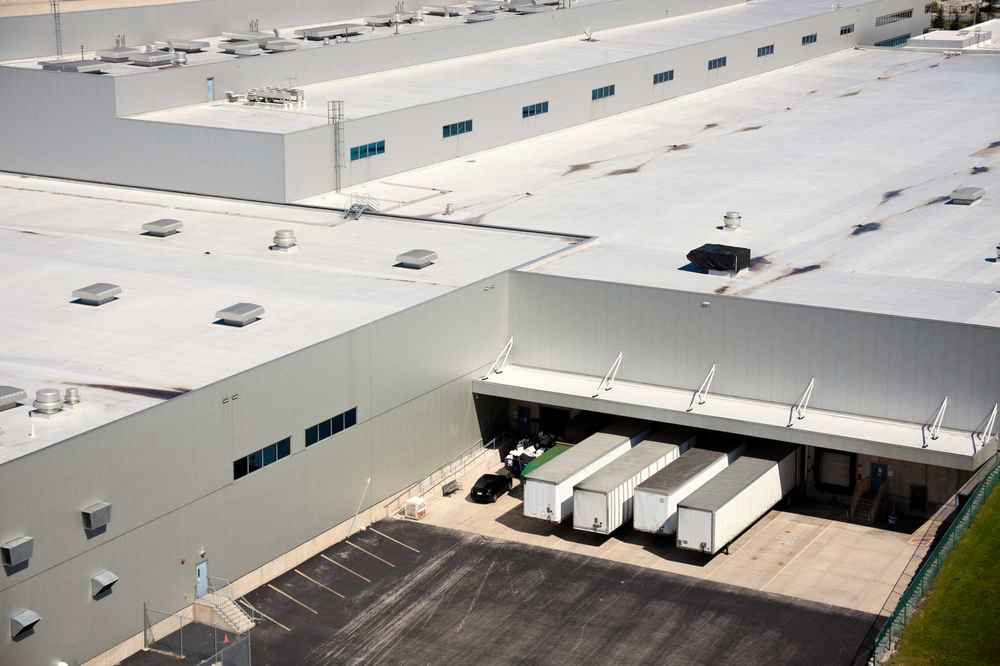
Building owners and property managers often have practical questions when comparing energy-efficient roofing options for commercial properties. Most concerns involve cooling costs, roof lifespan, maintenance expectations, and whether a roofing upgrade will provide meaningful long-term value. Below are some of the most common questions commercial property owners ask when evaluating roofing systems for energy performance and durability.
What is the most energy-efficient commercial roofing system?
TPO roofing systems and reflective commercial roofing systems are often considered some of the most energy-efficient commercial roofing options available. These systems help reduce solar heat absorption, lower roof surface temperatures, and improve HVAC efficiency on flat and low-slope commercial buildings.
Does reflective roofing reduce cooling costs?
Yes, reflective roofing can help reduce cooling costs by lowering the amount of heat absorbed into the building throughout the day. Buildings with reflective roofing systems often experience reduced HVAC strain during prolonged periods of summer heat.
Is TPO roofing energy efficient?
Yes, TPO roofing is considered energy efficient because its reflective surface helps reduce heat absorption on commercial roofs. TPO systems are also commonly selected for their UV resistance and strong performance on flat commercial roofing systems.
How do I know if commercial roof insulation is failing?
Commercial roof insulation problems often show up through rising energy bills, inconsistent indoor temperatures, trapped moisture, or recurring roofing repairs. In many cases, inspections reveal moisture-damaged insulation beneath roofing membranes that still appear functional from the surface.
What roofing system lasts longest on flat commercial buildings?
Metal roofing systems and properly maintained single-ply membrane systems often provide strong long-term performance on flat and low-slope commercial buildings. Roof lifespan depends heavily on installation quality, maintenance planning, drainage conditions, and weather exposure.
Should commercial roofs be inspected after extreme heat?
Yes, commercial roofs should be inspected after prolonged periods of extreme heat because excessive thermal stress can accelerate membrane wear, flashing separation, and roof aging. Preventative inspections often help identify smaller performance issues before larger repairs become necessary.
Can reflective roof coatings replace roof replacement?
Not always. Reflective roof coatings can improve energy performance and extend roof life in some situations, but roofs with trapped moisture, structural deterioration, or advanced membrane damage may still require more extensive repairs or full replacement.
How often should commercial roofs be inspected?
Most commercial roofing systems benefit from professional inspections at least once or twice per year, especially after severe storms or prolonged heat exposure. Regular inspections help identify drainage issues, membrane deterioration, and insulation concerns before they become more expensive problems.
Energy-Efficient Roofing Options for Commercial Properties Support Long-Term Building Performance
Energy-efficient roofing systems affect far more than short-term installation budgets. Over time, roofing materials, insulation performance, ventilation, maintenance planning, and heat exposure all influence cooling demands, operational costs, and long-term roof lifespan.
Commercial roofing systems designed for better energy performance help reduce long-term heat stress while supporting more stable building performance during Northern Virginia summers.
With more than 31 years of experience, GAF Certified installation standards, and a reputation for honest inspections and practical recommendations, AWS Restorations helps commercial property owners better understand the condition and long-term performance of their roofing systems without pressure or unnecessary upselling.
Sometimes an inspection confirms a commercial roof can continue performing well with targeted repairs and maintenance. Other times it helps identify when replacement may provide better long-term value and energy performance.
If your commercial roof has experienced years of heat exposure, rising cooling costs, or storm-related wear, a professional inspection can help identify opportunities to improve long-term performance before problems become more expensive.